Red mahogany stain is a wood finish that sits between brick-red and deep brown-red, with the exact color shifting depending on the wood grain beneath it. On pine it can read orange; on oak or ash it lands closer to the furniture-catalog darkness most people expect. A half-pint of Minwax 71007, the standard oil-based version, runs about $10.99 and dries in two hours at 70°F. Rush it in a cold shop and the second coat gums instead of blending.
Minwax 71007 Red Mahogany Wood Finish
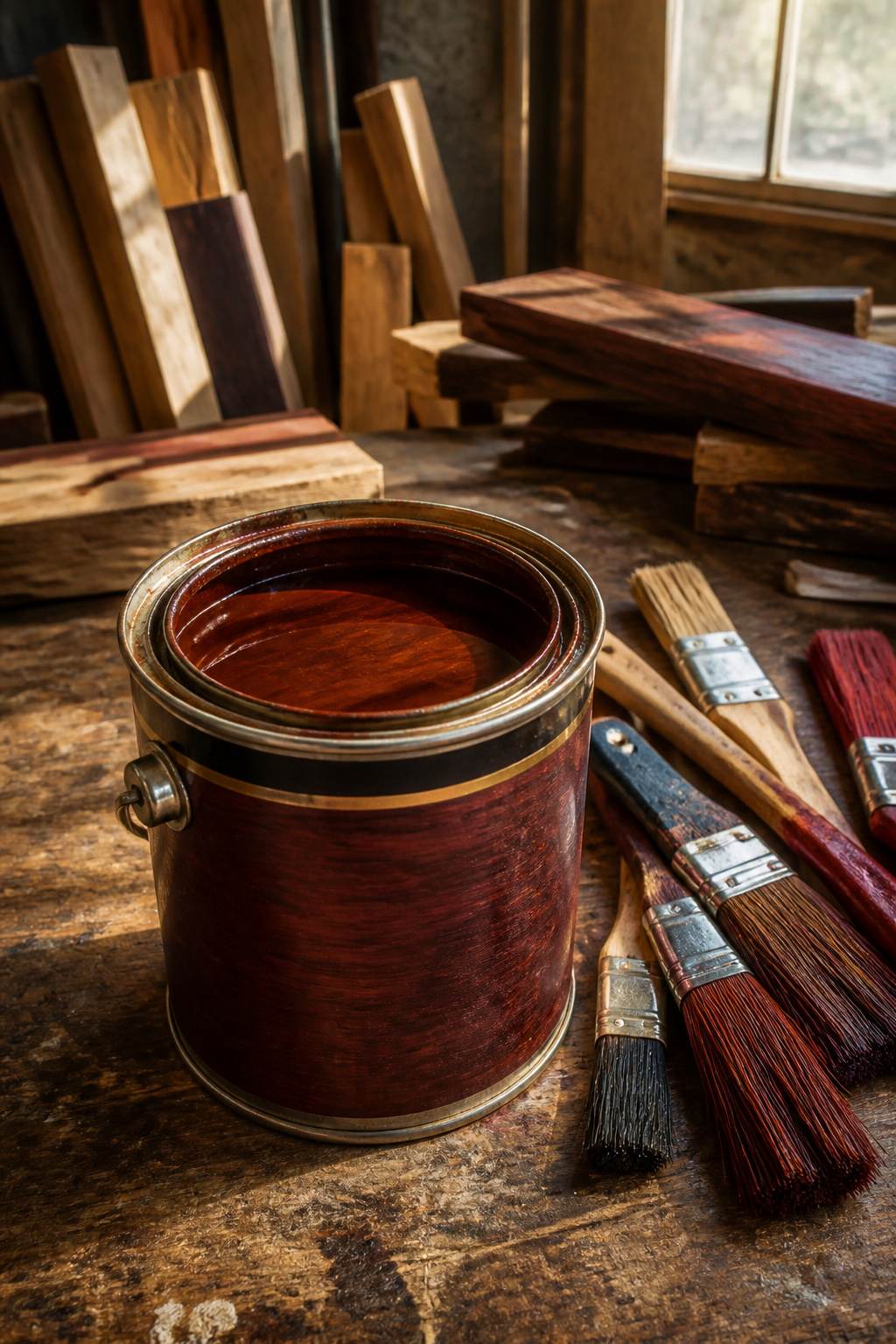
The Minwax 71007 Red Mahogany Wood Finish sits in that odd spot where a product becomes invisible because it works exactly as expected. Oil-based penetrating stain, two-hour dry time, grain still visible through the color. Nothing flashy, which is partly why it has stayed a standard choice for this particular red mahogany color for so long.
A half-pint runs about $10.99 at the usual hardware stores, with quarts and gallons scaling up from there. That pricing puts it within reach for a single afternoon project, a small side table or a set of shelves, without the commitment of a specialty finish you’ll never use again.
The semi-transparent formula matters more than the name suggests. On softer woods like pine, the red can read orange if the grain fights it. On oak or ash, the same can sits closer to the deep brown-red most people picture when they search red mahogany stain. I have learned to test on scrap from the same board, not the corner of the workpiece, because the end grain drinks differently and lies about the middle.
Two hours sounds generous until you remember that oil-based means mineral spirits for cleanup, and that the re-coat window behaves better when the shop sits around 70°F. Rush it in a cold garage and the second layer can gum instead of blend. The finish rewards patience, which is another way of saying it forgives beginners slowly.
Minwax Semi-Transparent Red Mahogany

Oil-based penetrating stains like this one sink into raw wood instead of sitting on top, and the color you get depends heavily on how open the grain is. On a tight-grained hardwood, the pigment settles in more evenly; on oak or ash, the large pores grab extra color and the contrast can look almost striped. The red mahogany tone leans warm, somewhere between brick and dried blood rather than the orange-red of cheaper stains, and two coats will push it toward furniture-catalog darkness.
The semi-transparent line differs from the 71007 wood finish in one way that matters in practice: the 71007 carries more pigment and builds a faint film, so scratches show as lighter lines where the color layer gets nicked. The semi-transparent version keeps the wood feeling like wood, which sounds minor until you run your hand across a tabletop six months later. If you want the grain to read as texture rather than pattern, thin the first coat with a little mineral spirits and wipe it off while it is still wet; the second coat goes on straight and catches only the highs. Both products need a topcoat for protection, but the semi-transparent one punishes you less if you skip the sanding between layers.
General Finishes Merlot Water-Based Dye
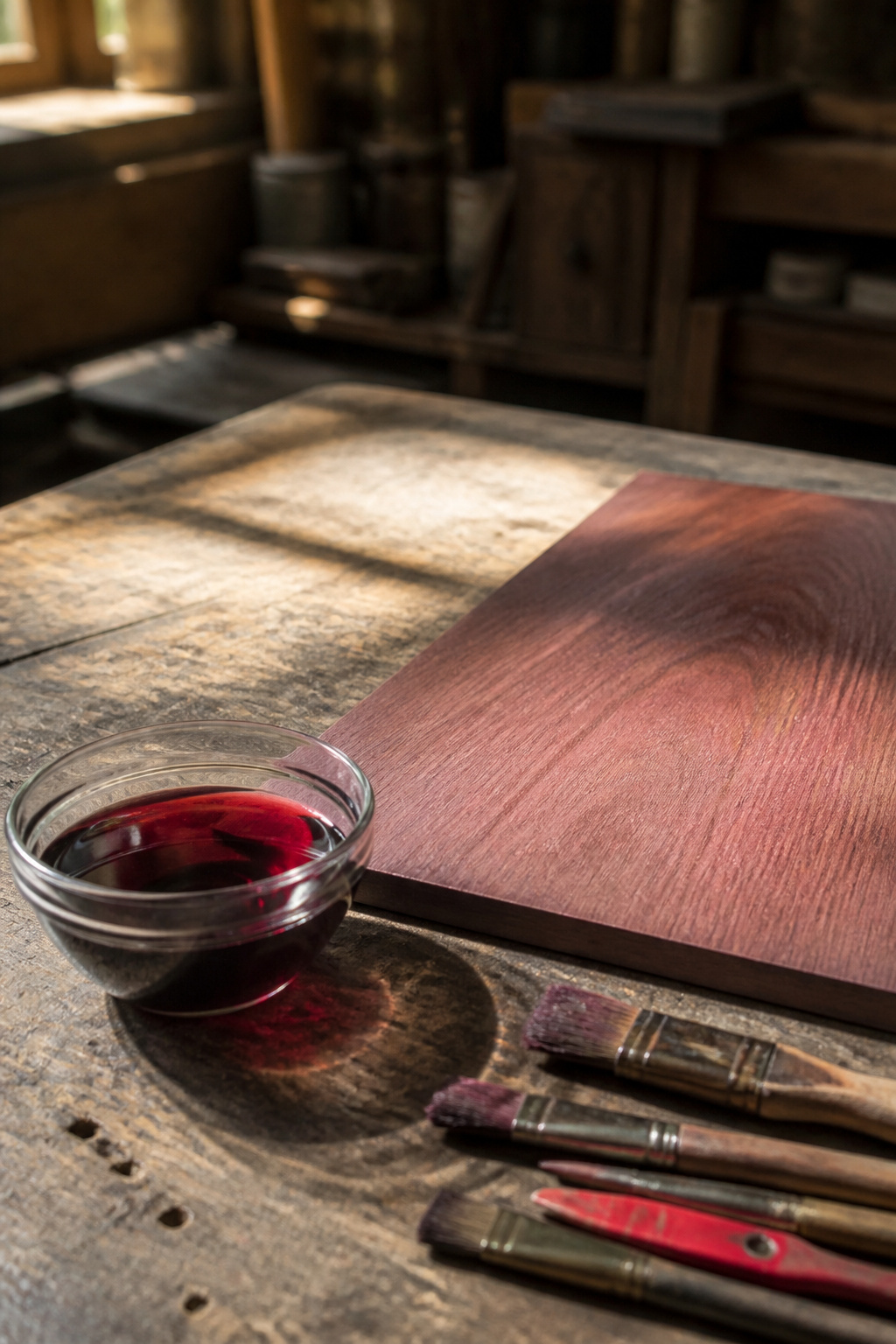
Water-based dyes sit right on the surface without the muddying you get from pigment-heavy stains. General Finishes Merlot Water-Based Dye reads as a true red, not orange, and that matters when you are building toward a red mahogany stain finish instead of a brown one. The transparency is the whole point: the grain telegraphs straight through, so the wood underneath still does the talking.
The dye works best as a first layer, not the last. A single coat lays down a saturated red foundation, and because it is water-based, the grain pops instead of sealing over. The catch is coverage; dyes do not hide uneven color or glue squeeze-out the way a gel stain will. Surface prep has to happen before the dye, not after. Skipped sanding scratches show up like scars under this stuff.
Pairing it with a brown mahogany gel stain on top is where the depth comes from. The dye supplies the red body, the gel stain adds the brown shadow in the pores, and the two together read as something richer than either one alone. The Wood Whisperer used this exact two-step on a beat-up rocking chair, and the result held that deep red mahogany tone without looking painted.
General Finishes Brown Mahogany Gel Stain
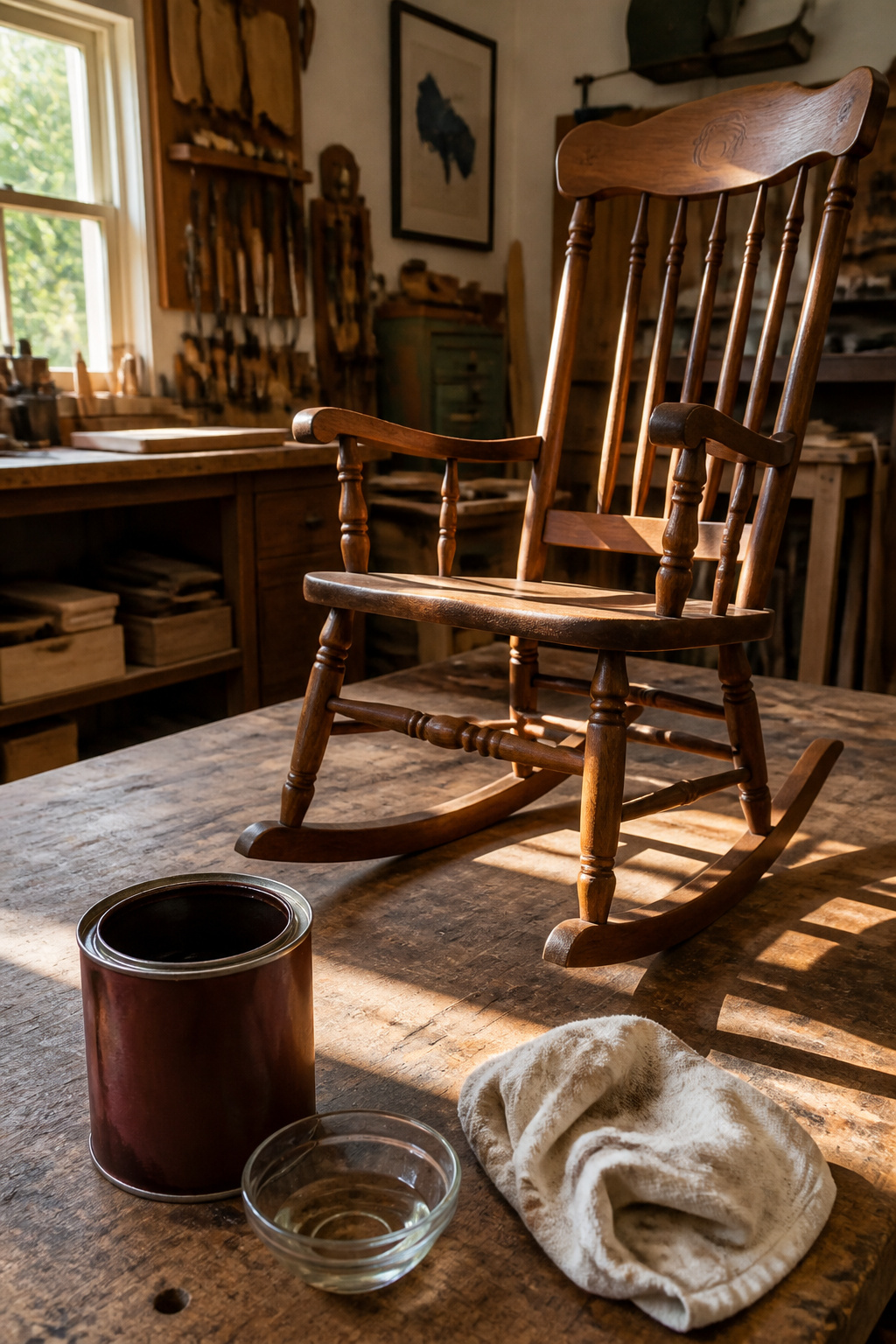
Gel stain sits on top of the wood rather than soaking in, which makes it the right second step after a water-based dye has already done the absorption work. General Finishes Brown Mahogany Gel Stain goes over their Merlot Water-Based Dye to build a deeper, more controlled red mahogany than either product achieves alone. The dye gives the red; the gel stain adds the brown depth and lets you steer how dark the piece gets by how long you leave it before wiping.
The gel consistency means it does not run or blotch the way liquid stains can, so you have time to work it into corners and across large surfaces without racing the clock. That control matters on a piece like a rocking chair, where spindles and curved arms collect color unevenly if the product moves too fast. One coat of the Brown Mahogany over the Merlot base is enough to finish the job, topped with a satin lacquer for protection.
General Finishes Gel Stains for Clean Color

General Finishes built its name on gel stains that stay where you put them, and that control matters twice as much on a dresser with six visible drawer fronts as it does on a single picture frame. The thick formula sits on the surface rather than soaking in, which evens out color across pine, poplar, and the blotchy spots where two boards meet. On larger furniture, that consistency saves you from the dark stripe down one leg where the end grain drank too much. Small items forgive unevenness; a jewelry box turned slightly lighter on the lid just looks like character. A dining table does not.
The line covers enough browns and reds that you can land near a red mahogany stain without committing to a single dye lot. Water-based dyes underneath shift the undertone; the gel stain on top locks in the depth. Two hours of dry time between coats means you can build color in an afternoon instead of losing the weekend waiting. That speed rewards the impatient, though rushing the second coat still costs you the evenness you bought the gel for in the first place.
For renters or anyone staining IKEA-grade pine, gel stain is the safer bet. Hardwoods with tight grain? The same thickness that prevents blotting also limits how far the color penetrates, so the grain stays quieter than it would under an oil-based wipe stain. Some woodworkers want that grain to shout. This line assumes you’d rather it whisper.
Surface Prep and Application
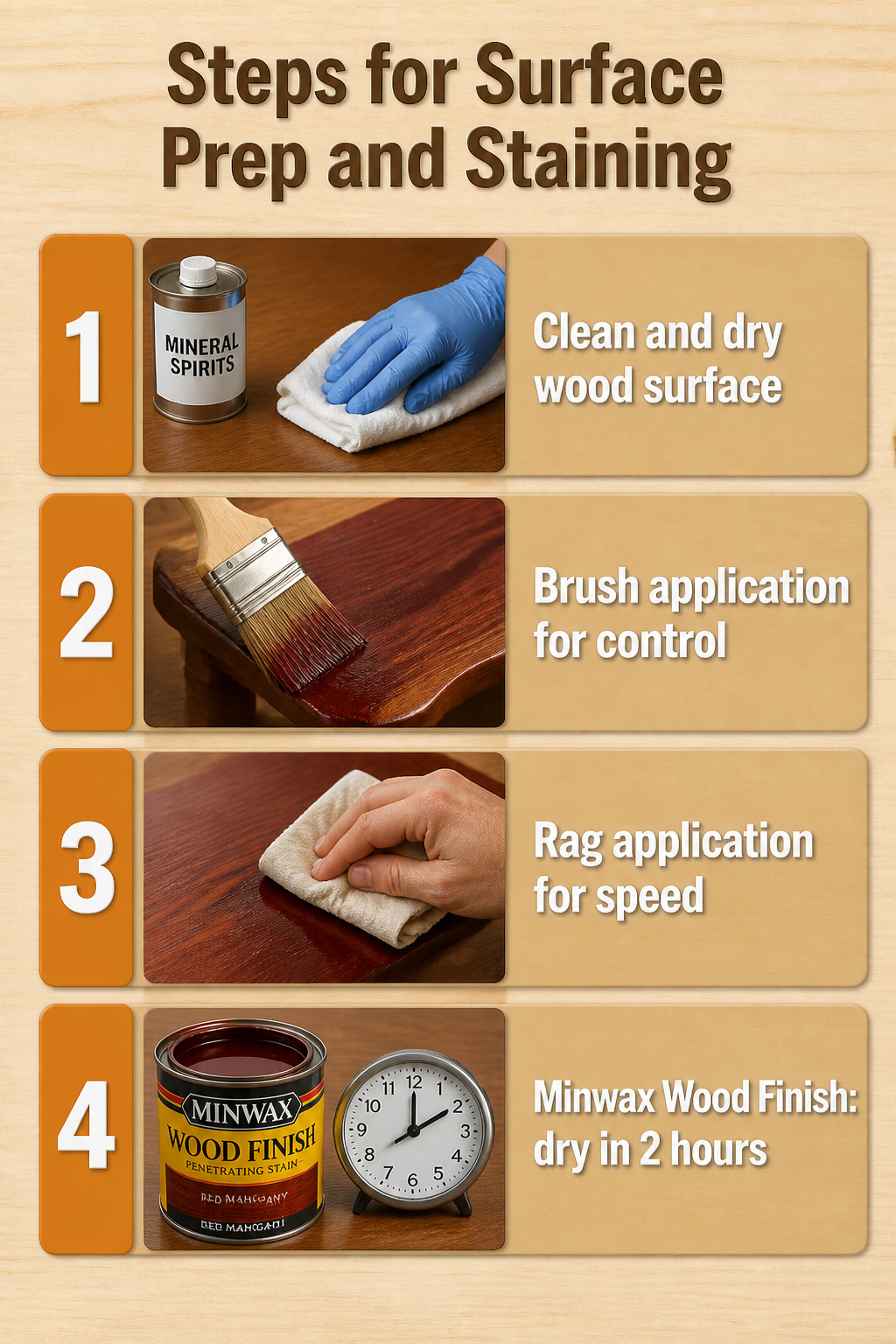
- Clean, dry wood is the shared requirement across every red mahogany stain product. Any residue or moisture locks the color on the surface instead of letting it penetrate, so a quick wipe with mineral spirits and a full day of drying beats rushing in.
- Brush application gives control on legs, spindles, and any profiled edge. A natural-bristle brush laid on with the grain, then worked into corners, keeps the coat even. Wipe off the excess with a clean rag before it starts to tack.
- Rag application is faster on flat panels and tabletops. The cloth spreads the stain thin, which matters because a heavy coat sits on top and dries tacky. Old cotton t-shirts work; they do not leave lint the way paper towels do.
- Minwax Wood Finish sets the benchmark here: two hours to dry, which makes same-day completion possible. One coat in the morning, a second before lunch if the color needs deepening, and the piece is ready for topcoat by dinner.
Layering for Depth
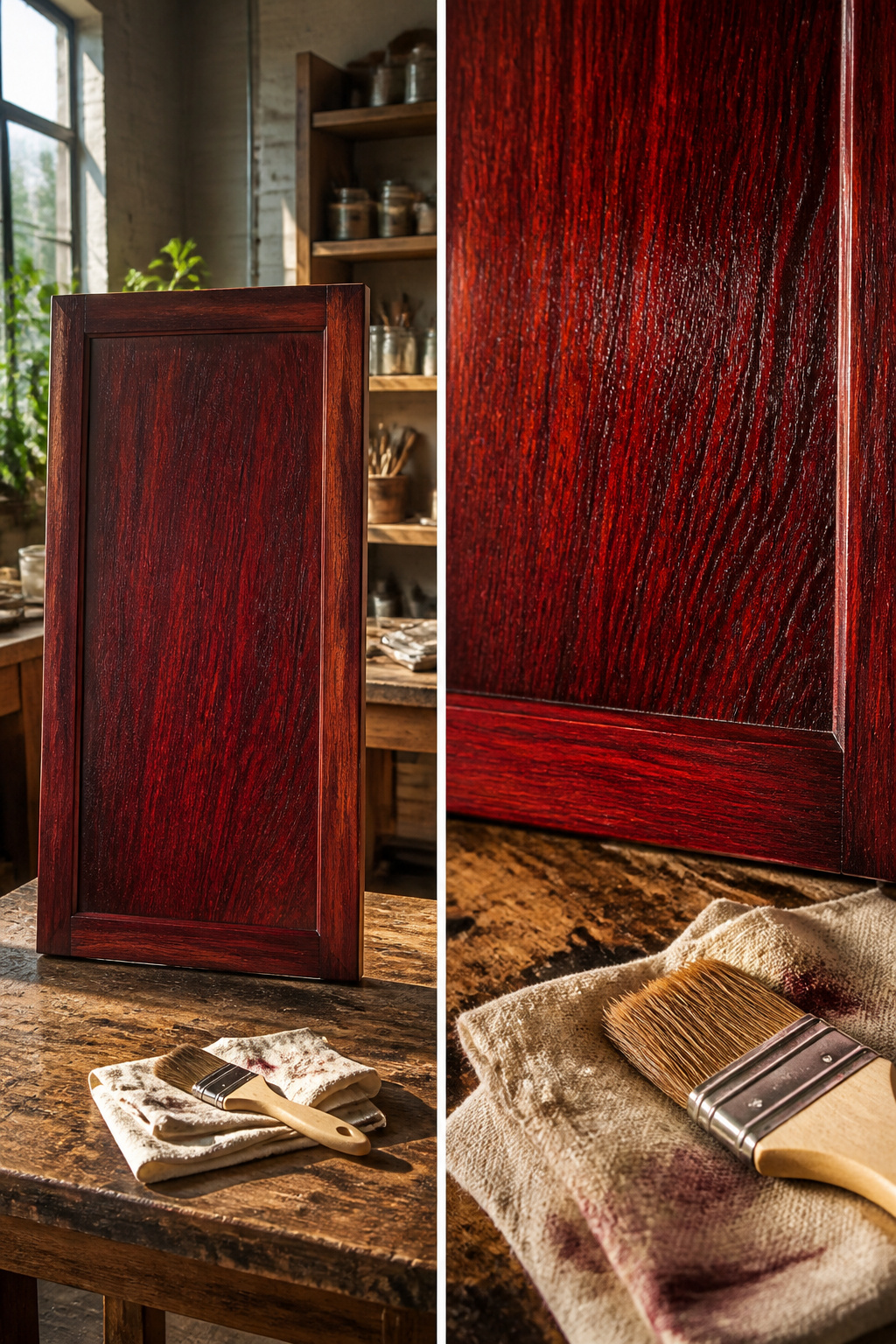
A single heavy coat of red mahogany stain sits on the surface and looks flat by the time it cures. Two thin layers, built one at a time, sink in differently and read like real wood rather than paint.
General Finishes Merlot Water-Based Dye goes down first. Water-based dyes penetrate bare wood instead of sitting on top, so the red travels into the grain itself. That first coat reads bright, almost wine-colored, and the temptation is to stop there. Waiting is the hard part.
The second layer is General Finishes Brown Mahogany Gel Stain. Gels rest on the surface more than dyes do, which means the brown settles into pores and softens that first bright hit of red. What you get is depth: the Merlot still shows when light catches the grain, but the gel mutes it into something that looks aged rather than stained. Two thin layers beat one thick coat every time, and the proof is in the sideways glance across the board where the color shifts instead of flattening.
The finish gets locked in with a satin lacquer topcoat. Without that seal, the gel layer stays vulnerable to fingerprints and water rings. Three products total, two of them carrying the color, and the result looks built rather than bought.
What the Project Needs
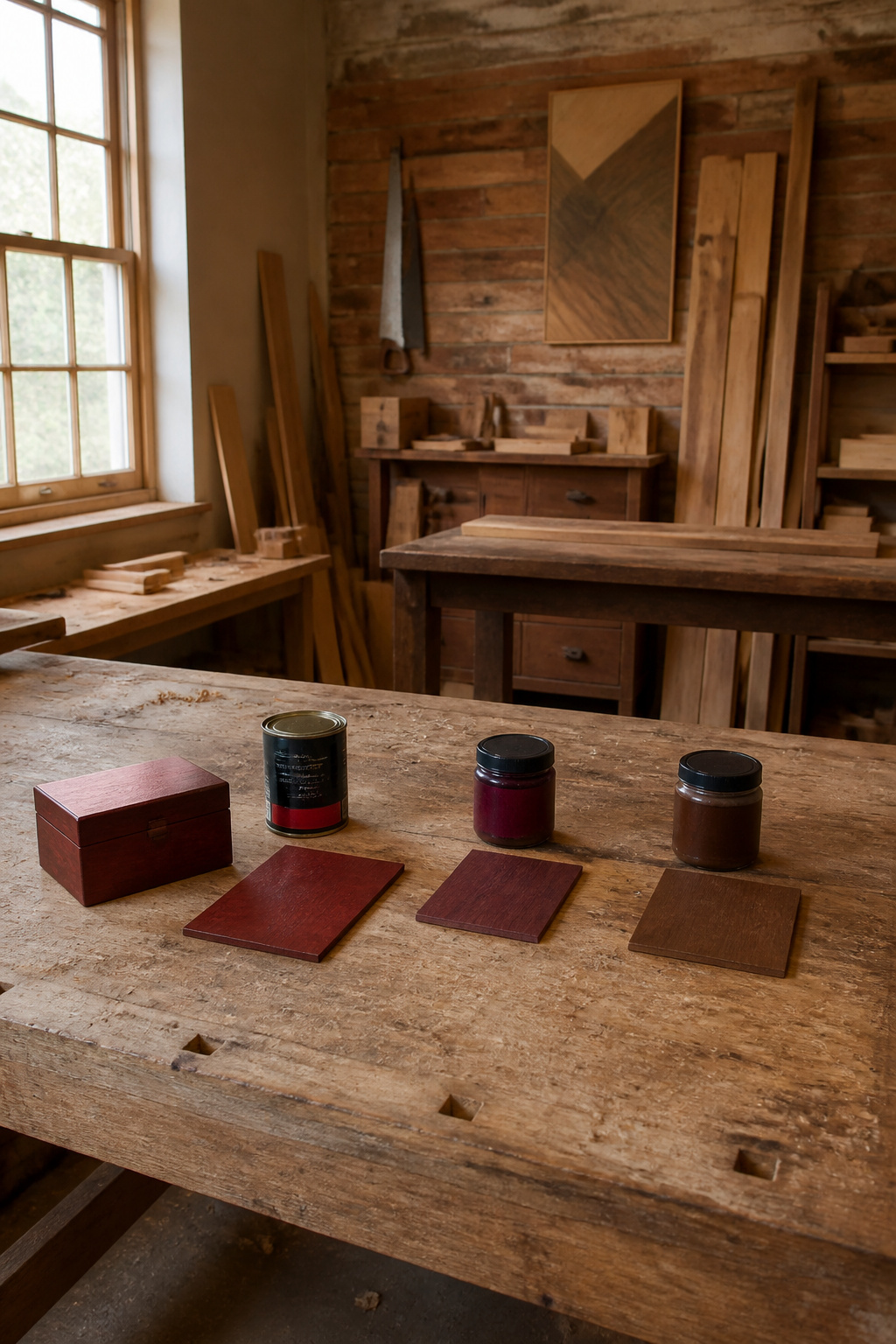
A dining table and a jewelry box both take red mahogany stain, but the table forgives what the box punishes. On large, flat cabinet faces, oil-based stains such as Minwax 71007 Red Mahogany Wood Finish penetrate evenly and leave the grain open for a traditional look. The same oil-based formula on tight-grained craft wood turns muddy where absorption varies.
Water-based dyes earn their place when you need control without the solvent smell. General Finishes Merlot Water-Based Dye sits on the surface less aggressively than oil, which matters on veneered cabinetry where uneven soaking shows at every seam. The trade is faster drying and less open time to fix a heavy passage.
Gel stain, specifically General Finishes Brown Mahogany Gel Stain, behaves almost like paint. It sits atop the wood rather than sinking in, making it the right call for blotchy woods or when you want that layered, deep red mahogany finish without grain dominance. The Wood Whisperer’s two-step method, dye first then gel, builds color depth that neither achieves alone.
Small projects punish impatience. A box has ten end-grain edges where stain drinks deeper; gel’s slower absorption keeps those edges from going black. On furniture, that same gel can read flat if you wanted grain to speak.
Frequently Asked Questions
What is the best red mahogany stain?
The best red mahogany stain depends on your project and the wood involved. Minwax 71007 Red Mahogany Wood Finish works well for traditional penetration on hardwoods like oak or ash, while General Finishes Merlot Water-Based Dye paired with Brown Mahogany Gel Stain builds a deeper, more controlled color through layering. Oil-based options suit open-grain furniture; gel stains handle blotchy woods or pine better.
How do you apply red mahogany stain?
Start with clean, dry wood wiped down with mineral spirits and given a full day to dry. Apply with a natural-bristle brush for legs and profiled edges, working with the grain and into corners before wiping excess with a clean rag. For flat panels, use an old cotton t-shirt to spread the stain thin and avoid a tacky surface coat.