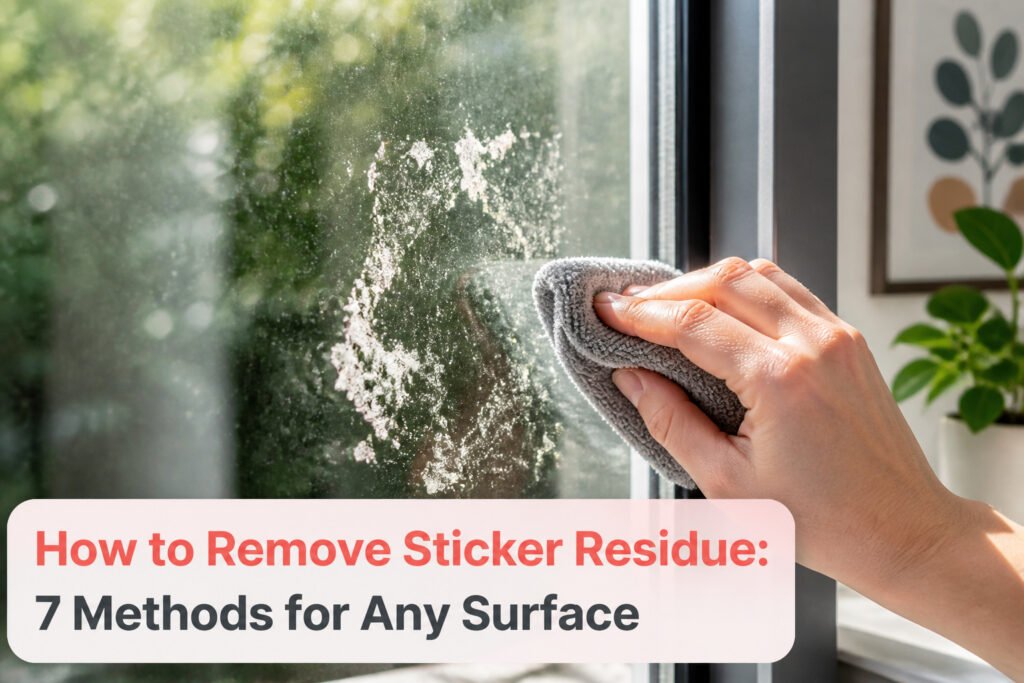
Sticker residue is the gummy film left behind after a price tag, label, or decal peels away. The real problem is not the removal itself but matching the method to the surface: vinegar dissolves adhesive on glass in 5 to 15 minutes, yet the same acidity can stain wood. A hair dryer softens glue in under three minutes, though it almost always leaves a thin film that needs a second pass.
Vinegar Soak
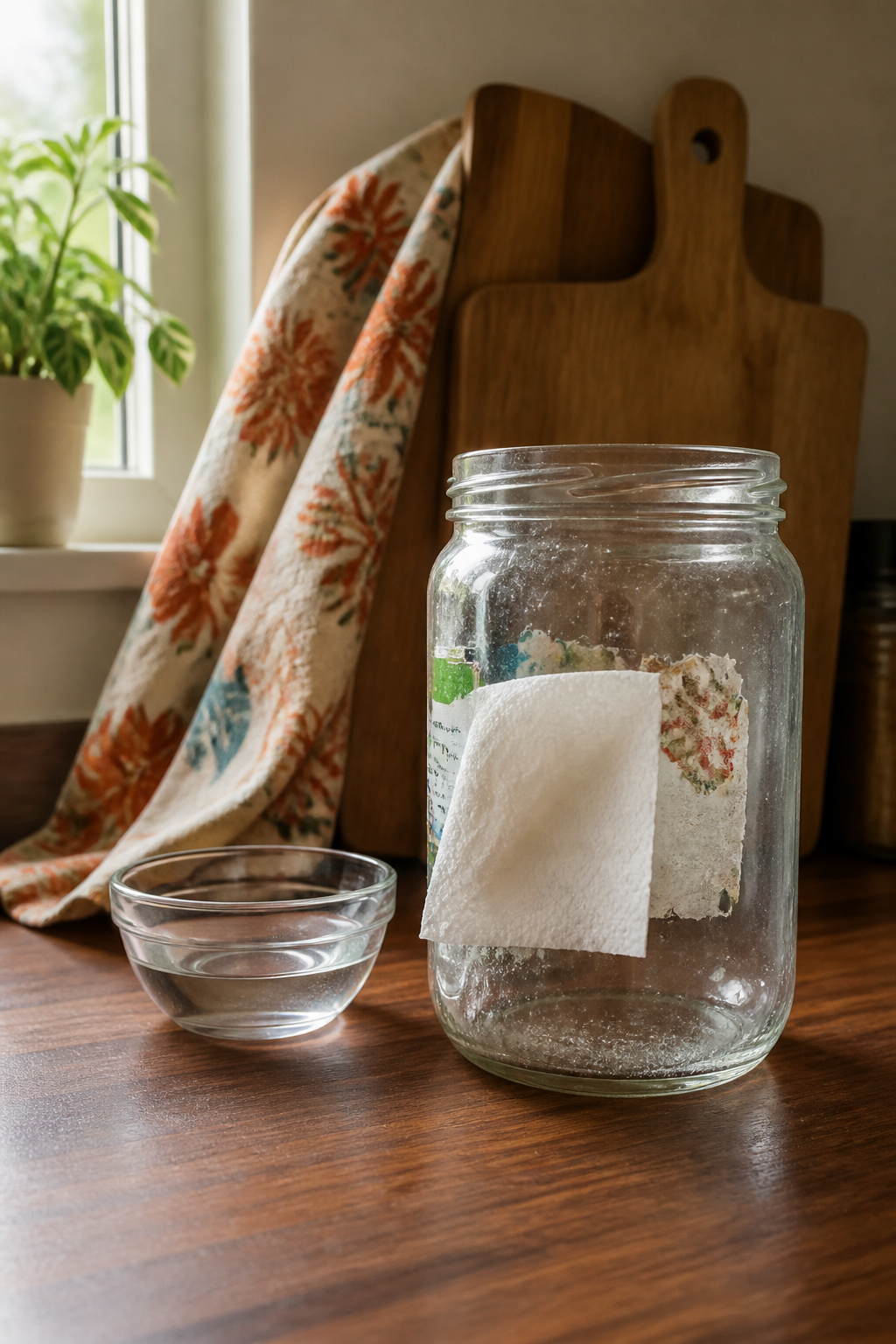
White vinegar sits in most pantries already, which makes this the method you can try without a trip to the store. The acidity, roughly five percent acetic acid in standard household vinegar, attacks the adhesive bonds and turns stubborn residue into something that wipes away.
The process is simple. Soak a paper towel or cotton ball in white vinegar, lay it over the sticker, and let it sit for at least 5 to 15 minutes before wiping clean. Some stickers surrender after five minutes; thicker or older ones need the full quarter hour. Glass and metal handle this treatment without complaint, which is why vinegar shines for jar labels, appliance stickers, and thrift-store dish tags. Paper towels mold to curved surfaces better than flat cloths, so a coffee mug or wine glass is actually easier than a broad flat plane.
Two timing camps exist here, and both are right. Five minutes works for fresh, thin stickers. Fifteen minutes is the safer bet for anything that has baked on or been through a dishwasher cycle. The vinegar smell lingers briefly but rinses away clean, unlike oily alternatives that leave their own residue behind.
Hair Dryer

Heat softens adhesive by loosening the molecular bonds that keep glue stuck to a surface. A hair dryer on its highest setting, held 1 to 2 inches above the sticker for 1 to 3 minutes, gives the adhesive enough time to turn pliable without risking the surface underneath. Glass and plastic handle this especially well; the heat transfers evenly and neither material scorches under a standard home dryer.
The sticker itself usually peels away clean after that minute or two of warming. The problem is what stays behind. In my reading, this method reliably removes the paper and the bulk of the glue but leaves a thin film of residue that still needs a second pass with something else. That makes the hair dryer a strong opener, not a finisher. If you are working on a painted wall or a car bumper, keep the dryer moving and do not let one spot overheat. For a quick fix with nothing but what is already in the bathroom drawer, this is the place to start.
Peanut Butter

Creamy peanut butter, not crunchy, spreads thick enough to stay put while the oils do the work. The natural oils break down adhesive, which makes this method especially useful on non-porous surfaces like smooth glass and some plastics where the oils can sit on top and soak in rather than absorbing into the material itself.
The timing depends on what you are actually removing. Leftover sticky residue softens in about five minutes, sometimes ten. A full paper sticker or thick price tag needs longer, and even then the peanut butter mostly loosens the glue rather than the paper. Scraping with a spatula handles the bulk of it, then a damp cloth and dish soap finish the job so you are not left with an oily film.
Wood, unfinished ceramics, or anything porous risks an oil stain you will not wash out. Skip those. The mess factor is real, and the smell lingers longer than you expect on a kitchen dish or a water bottle you actually drink from. For pure residue on glass or sealed plastic, though, the pantry option works without a trip to the hardware aisle.
WD-40

WD-40 sits in most utility closets already, which is half the appeal. The petroleum-based formula dissolves adhesive residue on glass, plastic, and metal without much elbow grease. Spray a thin coat directly on the sticky patch, let it sit for three minutes, then scrape with a spatula or wipe with a soft cloth. The glue lifts in a single pass on hard, non-porous surfaces.
Painted walls and delicate materials are where this gets risky. The same oil that breaks down adhesive can stain porous finishes or leave a greasy film that attracts dust. Test on a hidden corner first. Even on safe surfaces, wash the area afterward with soap and water; the residue WD-40 itself leaves behind will darken over time if you skip this step.
Rubbing Alcohol
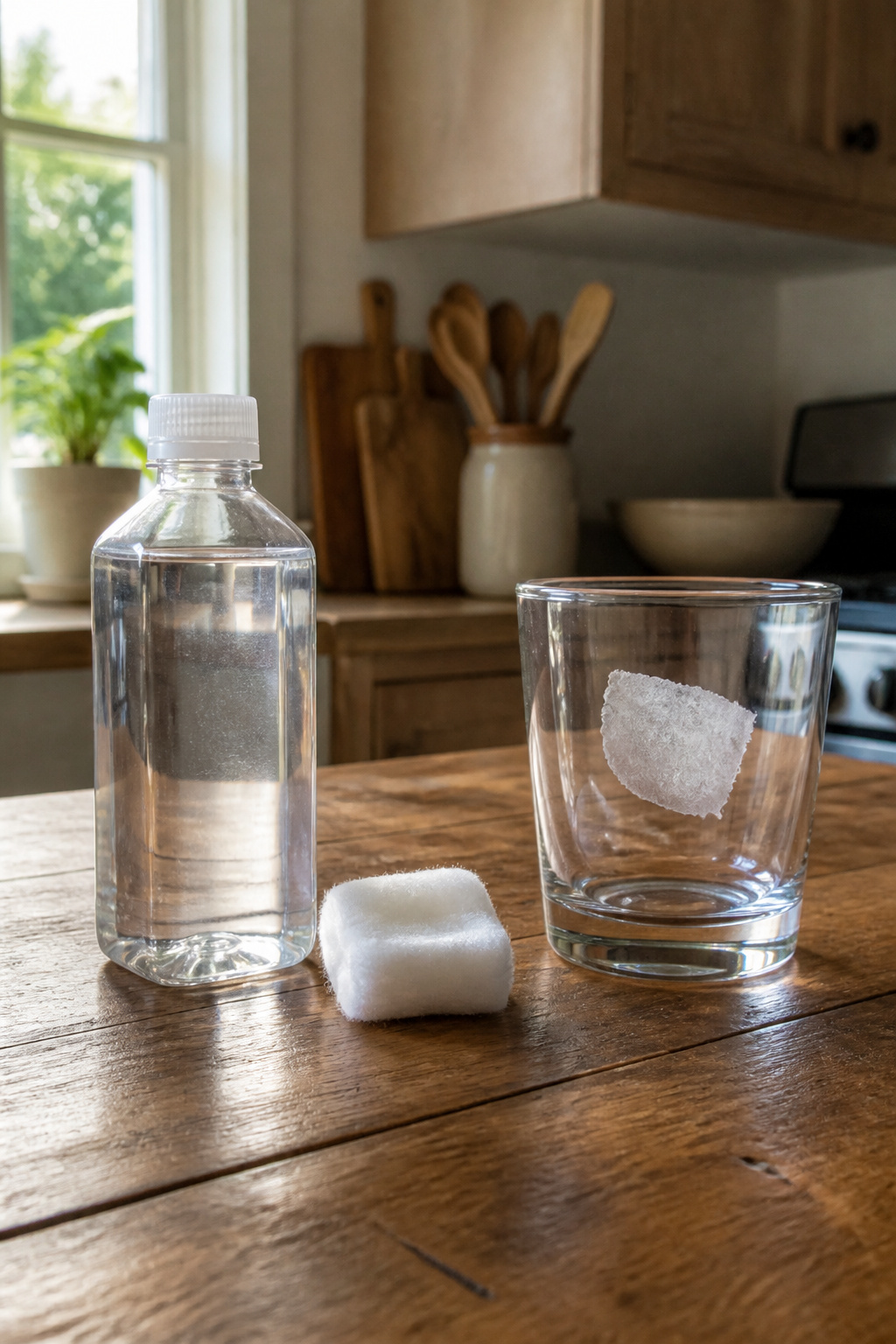
Rubbing alcohol lives in the same bathroom cabinet as the cotton balls, so this is usually the first thing I reach for when a price sticker ghosts onto a picture frame or a drinking glass. The 70 percent isopropyl bottle works fine; pour enough to soak the cotton ball, dab it onto the residue, and let it sit for a minute or two while the solvent breaks down the adhesive. A plastic scraper or the edge of an old credit card lifts the gummy film without scratching the surface underneath, and a damp cloth finishes the cleanup.
Glass and metal handle this treatment without complaint, and the alcohol evaporates fast enough that you are not left rinsing for ages. Some plastics are trickier, so a quick test on a hidden corner saves you from a cloudy patch later. Vinegar gets the job done too, but its acidity shines more on glass and metal where the grip is lighter; rubbing alcohol is the faster choice for smooth surfaces when you want the mess gone before dinner.
Baking Soda and Coconut Oil Paste
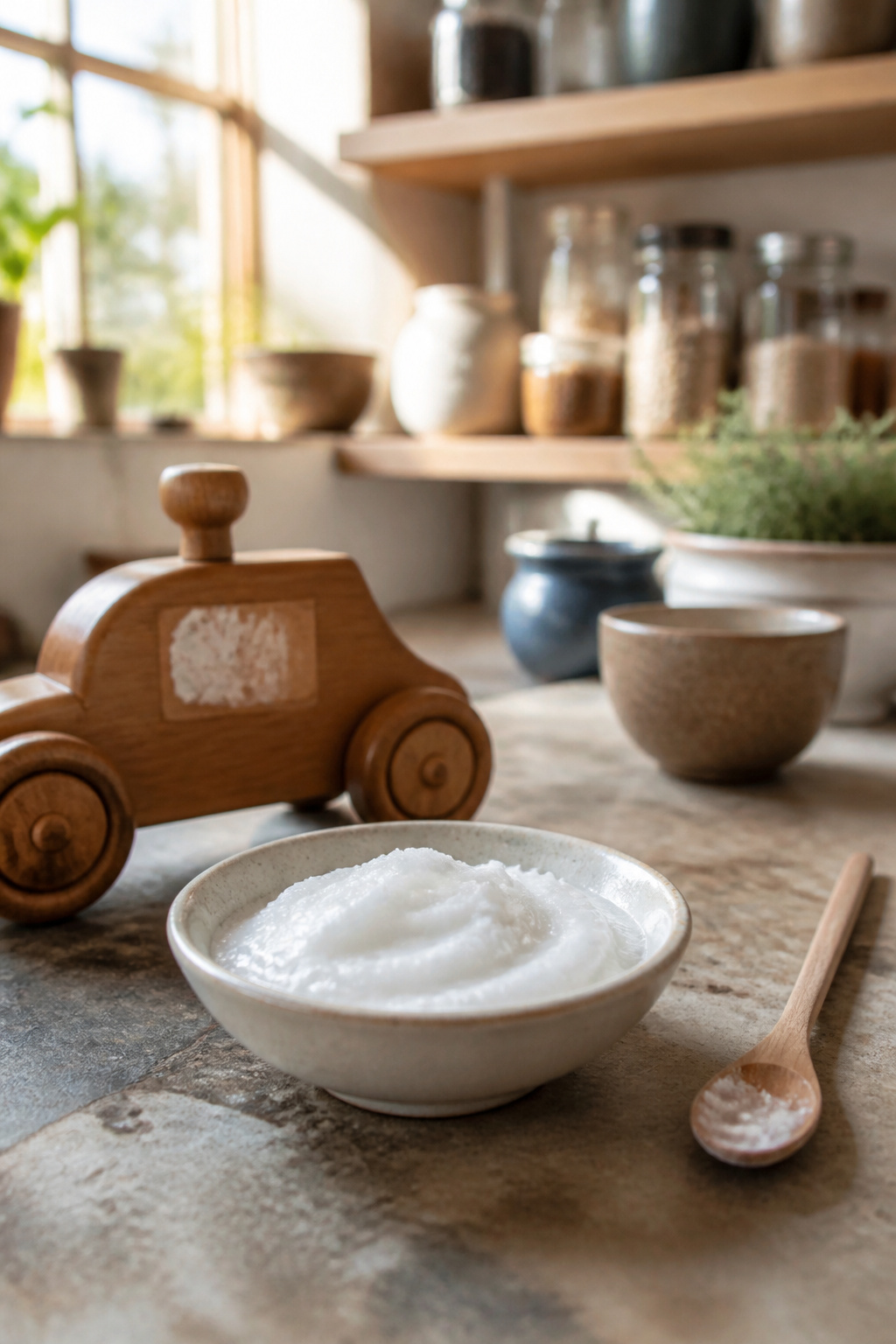
A paste of 2 parts baking soda to 1 part coconut oil sits somewhere between scrub and solvent. The baking soda gives just enough grit to lift softened adhesive without scratching most finishes, while the oil works into the residue itself. Plastic and wood are where this pairing earns its keep, especially if you are trying to avoid harsher chemicals on a surface you use daily.
Mixing takes thirty seconds. Spread it thick enough that you cannot see the sticker underneath, then wait. The sources split on timing: one tester saw almost nothing move at 15 minutes, let it go another 30, and still needed a spatula for the last bits. Another calls 5 to 10 minutes sufficient for light residue. My read is that minimal leftover glue responds faster; anything with paper backing still attached needs the longer soak, and even then you may finish the job mechanically.
Work the paste in with your fingers once the time is up, then rinse with warm soapy water. The downside is speed. Where rubbing alcohol cuts clean in under a minute, this method asks for patience and still sometimes underdelivers. I would reach for it on a vintage wooden toy or a plastic lunch container where I feared solvent damage, not on a glass jar I needed empty in five minutes.
Commercial Products
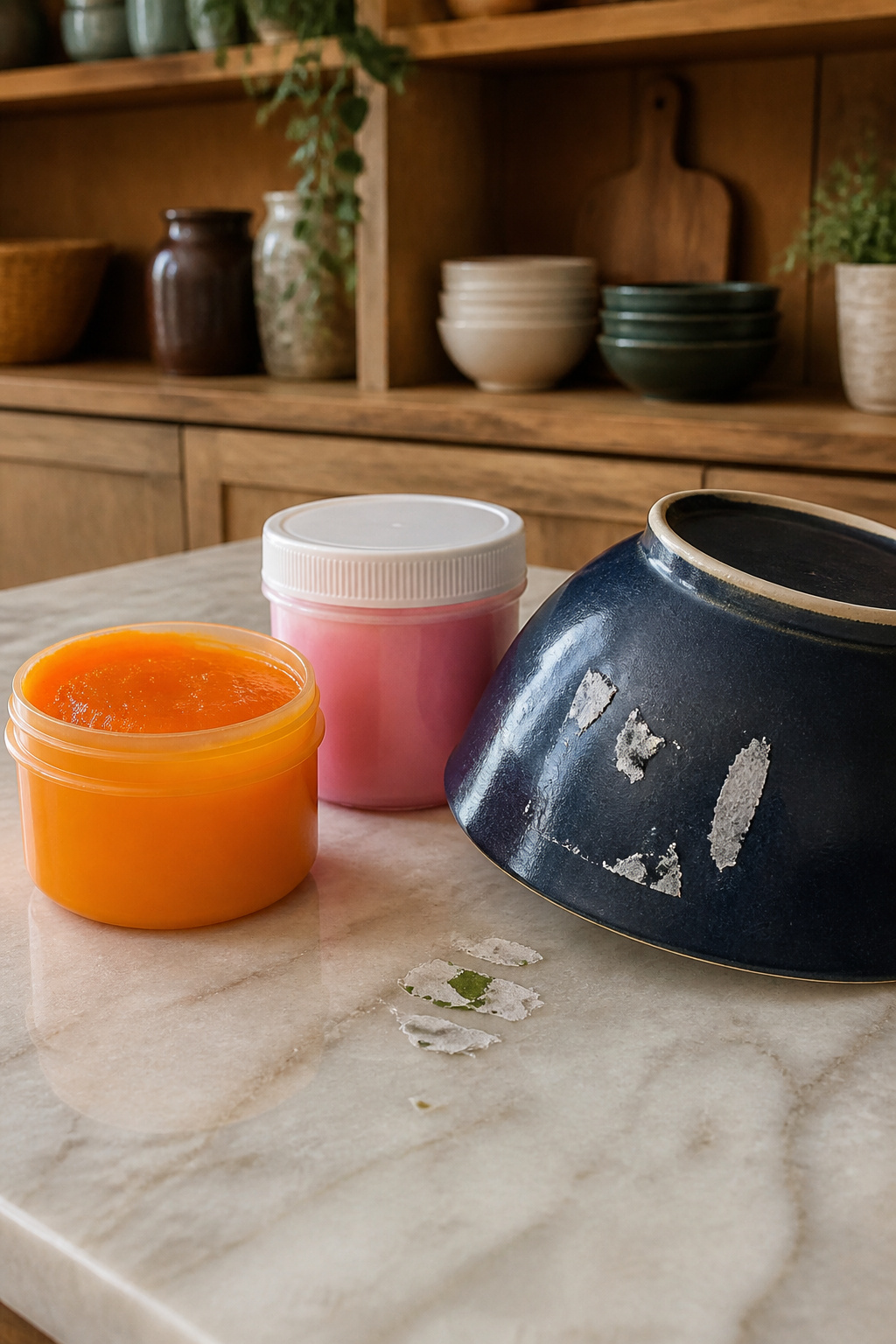
Goo Gone sits on the shelf at most hardware stores for a reason. The label says to let it rest for five to ten minutes, and that wait matters: the solvent needs time to break down the adhesive before you wipe or scrape. I have rushed it and ended up doing the work twice.
The Pink Stuff works differently. You scoop the pale pink paste onto a damp cloth and scrub, which saves the wait but costs more elbow grease. The abrasive quartz crystals in the formula do the lifting, so spot-test anything softer than metal, glass, or ceramic first. Plastic and acrylic can scuff.
Between the two, commercial products trade money for speed against household methods. Peanut butter or vinegar from the pantry costs nothing extra but takes longer and leaves more cleanup. Goo Gone in particular leaves an oily film that needs soap and water after. For a single sticker on a Saturday afternoon, that convenience is worth the six-dollar tub to some people and not to others.
The vegetable oil (glycerine) base softens and loosens the glue while the fine quartz crystal scrubs it away without scratching or damaging smooth, nonporous surfaces. And it does so better and faster than any other method I’ve ever tried.
That oil-and-abrasive pairing explains why The Pink Stuff handles baked-on gunk and sticker residue with the same motion. For hard, nonporous surfaces, it is the faster tool.
What Surfaces Need What

Glass and metal tolerate almost any approach, which is why most commercial removers list them first. Plastic demands more caution; the same solvent that lifts residue can cloud the surface if left too long. Wood soaks up oily products and may darken, so lighter methods win there. Painted surfaces are the pickiest of the lot, since anything aggressive risks lifting the paint along with the glue. Electronics sit in their own category: dampen a cloth rather than spraying anything directly, and skip the scrubbing entirely.
| Surface | Best Options | What to Watch |
|---|---|---|
| Glass | Goo Gone, 3M Adhesive Remover, The Pink Stuff | Safe across the board |
| Plastic | Gentle solvents, patience with dwell time | Spot test; some removers cloud or weaken the material |
| Wood | Lighter oils, minimal product | Oils can darken grain; test an unseen corner |
| Metal | Goo Gone, Goof Off, WD-40 | Stainless steel scratches easily; use soft cloths |
| Painted | Weakest method that works, applied briefly | Aggressive solvents lift paint |
| Electronics | Damp cloth methods only | Never spray directly; moisture and circuitry do not mix |
Goof Off’s strength is its liability: the label itself warns against plastic and painted surfaces unless it explicitly says otherwise. The Pink Stuff scrubs residue off glass and cookware well, but spot-test anything softer than metal, glass, or ceramic. For electronics, the sources do not go beyond basic damp-cloth caution, and I will not invent steps they do not cover.
Heat and Oils
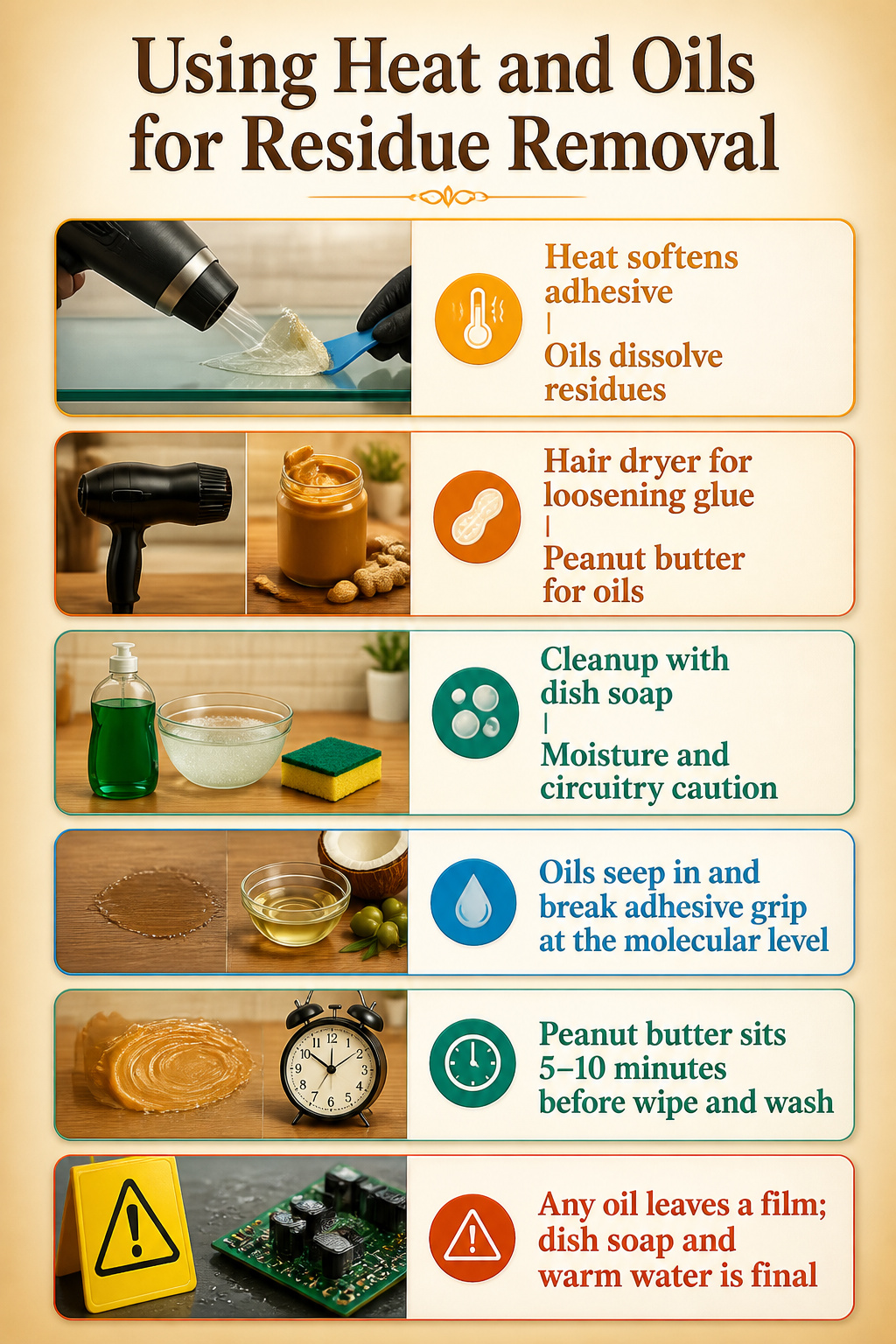
Heat softens the adhesive bond while oils dissolve the residue itself, which is why the hair dryer trick and the peanut butter trick both work, just from opposite angles. A hair dryer set to low or medium heat, held a few inches away for 30 seconds to a minute, loosens old or hardened glue enough that a plastic scraper lifts it off glass, metal, or car paint without scratching. The sources agree that heat makes every other method more effective, not a standalone fix, so you will usually follow up with rubbing alcohol or dish soap to finish the job.
Oils seep into pressure-sensitive adhesives and break their grip at the molecular level. Peanut butter works because it is oil-rich and sticky enough to cling while those oils penetrate; a thin layer sits for 5–10 minutes on glass, plastic, or wood before you wipe and wash with soap and water. Coconut or olive oil does the same on porous surfaces where a paste might absorb better than a liquid. The catch is the cleanup: any oil method leaves its own film, so dish soap and warm water is not optional, it is the final step that makes the surface usable again.
Tools That Help
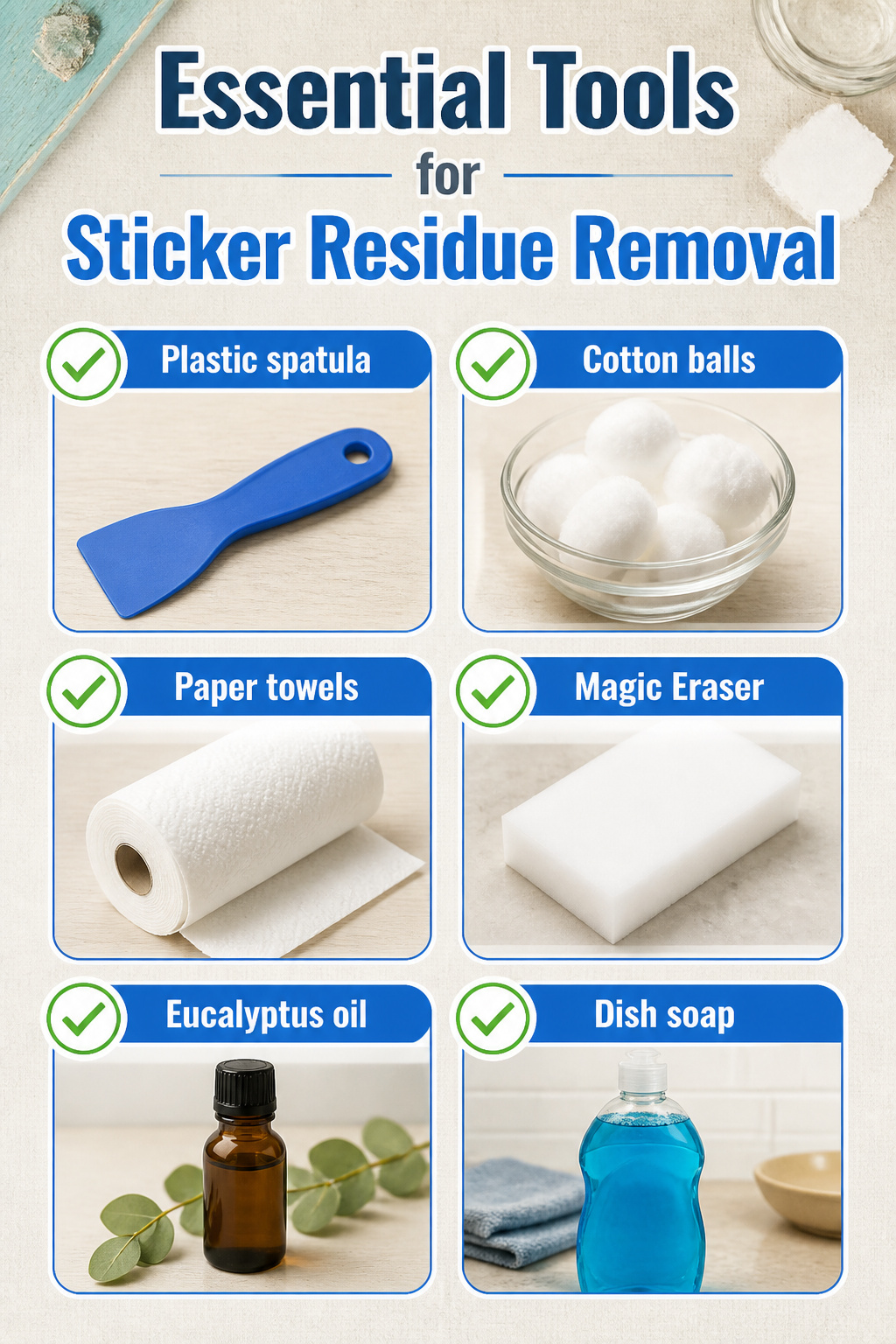
The right tool turns a ten-minute frustration into a two-minute wipe. A plastic spatula lifts the bulk of paper and adhesive without scoring paint or laminate. Cotton balls carry solvent to a precise spot and let you dab rather than scrub. Paper towels handle the final wipe-down once the residue loosens.
The Magic Eraser, made by Mr. Clean, works as a micro-abrasive on smooth, durable surfaces like glass, metal, and plastic. Dampen it, squeeze out excess water, and use light pressure. Check your work as you go; it can dull coated or glossy finishes. Follow with dish soap or rubbing alcohol if a film remains.
For a gentler route, eucalyptus oil breaks down adhesive without the harshness of chemical removers. A few drops on a cotton ball or cloth, a few minutes of sitting time, then gentle rubbing lifts residue from glass, metal, and some plastics. Finish with mild dish soap to cut the oily film, then dry with a soft cloth.
Timing That Actually Works

Most methods for removing sticker residue fail not because the chemistry is wrong, but because people wipe them away too early. The adhesive needs time to soften, and that window varies more than the labels suggest.
A hair dryer works fastest: 1–3 minutes of heat is usually enough to loosen the glue before scraping. Rubbing alcohol and WD-40 both need only a few minutes to break down residue, though letting alcohol sit closer to 5 minutes helps on plastic or glass. Vinegar sits in a wider band at 5–15 minutes, and the longer end matters on metal where the acid needs time to work into the adhesive.
Oils and pastes demand more patience. Peanut butter ranges from 5 minutes on thin residue up to 30 minutes, though sources note it barely touches thick paper stickers even then. Goo Gone lands at 5–10 minutes, while baking soda paste stretches to 15–30 minutes, with the longer wait justified on wood or plastic where you want to avoid harsh scrubbing.
| Method | Wait Time | Where Longer Helps | Where It Does Not |
|---|---|---|---|
| Hair dryer | 1–3 min | n/a | n/a |
| Rubbing alcohol | A few min (3–5 typical) | On plastic/glass | n/a |
| WD-40 | 3 min | n/a | n/a |
| White vinegar | 5–15 min | On metal | n/a |
| Peanut butter | 5–30 min | Thin residue only | Thick paper stickers |
| Goo Gone | 5–10 min | n/a | n/a |
| Baking soda paste | 15–30 min | Wood, plastic | n/a |
The pattern that emerged reading through these: heat and solvents act fast, oils and abrasives need the clock. Rushing a paste method wastes product and effort. Waiting too long with a hair dryer just heats the room.
Frequently Asked Questions
What is the best adhesive residue remover?
Goo Gone, 3M Adhesive Remover, and WD-40 are among the most effective options, though the right choice depends on your surface. Glass and metal tolerate almost any commercial product, while plastic needs gentler solvents and painted surfaces demand the weakest method that still works. For a single sticker, household options like vinegar or rubbing alcohol cost nothing extra but take more time.
Can I use a sticky remover on windows or glass?
Yes, both homemade and commercial removers are safe on glass. Rubbing alcohol, white vinegar, and Goo Gone all work well without damaging the surface. Glass tolerates almost any approach, which is why most commercial removers list it first among safe surfaces.
Is vinegar or rubbing alcohol better for removing sticker residue?
Both work, but they shine on different tasks. Vinegar’s acidity attacks adhesive bonds well on glass and metal, with a soak time of 5 to 15 minutes. Rubbing alcohol acts faster, needing only a minute or two, and evaporates quickly on smooth surfaces when you want the mess gone before dinner.